
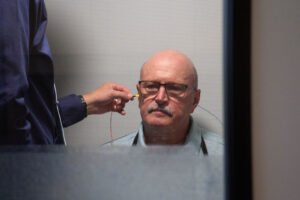
 There are several steps that are part of a hearing aid evaluation. If you suspect that you might need a hearing aid, you will first need to have a hearing evaluation. At the time of the hearing evaluation, a case history will be taken to determine how much your hearing problem impacts your day-to-day life as well as the lives of your family.
Hearing Evaluations
When performing a hearing evaluation, the experienced hearing care specialists at Seaside Hearing complete the following tasks:
- Case History (intake questionnaire)
- Otoscopy (visual inspection of the external ear, ear canal, and eardrum)
- Immittance Test (test of the function of the middle ear system)
- Threshold Test (air conduction and bone conduction)
- Speech Recognition (assessed in a quiet location)
- Demonstration of the latest, most appropriate technology
Hearing test results
The results from your hearing test will provide the hearing care professional information on what sounds you may be missing or hearing. The results of this testing will also allow the hearing care professional to make the best treatment recommendations, which typically includes hearing aids.
Hearing aid recommendation
If your hearing test reveals a permanent hearing loss, hearing aids may be recommended. Your hearing professional may explain what sounds you have difficulty hearing, and what hearing aids can do to help. It is usually at this appointment that you will get to see and touch different styles of hearing aids. In some cases, you may even be able to listen to a hearing aid.
Your hearing professional will help you choose the best hearing aid style, features and level of sophistication based on your degree of hearing loss, lifestyle, and financial circumstances. Some hobbies and occupations may benefit from different hearing aid styles or features, so your hearing care provider may have you fill out a questionnaire to assist during the evaluation process. The final decision on which hearing aids are purchased is your choice, but your hearing care professional will make recommendations on the best options for your particular needs.
Once you make a decision, the hearing professional may take impressions of your ears if you selected custom hearing aids or behind-the-ear hearing aids that require earmolds. Hearing aids must usually be ordered from a manufacturer and then programmed by your hearing professional to meet your specific hearing needs. There is an adjustment period when wearing hearing aids, so it’s possible your provider may make additional changes to your settings to ensure you’re getting the best listening experience possible.